

















A HOLISTIC OVERVIEW OF THE NDOKWA NATION IPP “STEP‑DOWN” ISSUE

The Okpai Independent Power Project (IPP) sits on land belonging to the Ndokwa people in Delta State. Though the plant has been generating electricity for the national grid since 2005, the host communities have yet to receive any power from it. Over the past two decades this paradox has sparked a series of protests, political maneuvering, and promises that have yet to translate into electricity for Ndokwa.
1. WHAT THE PROJECT IS
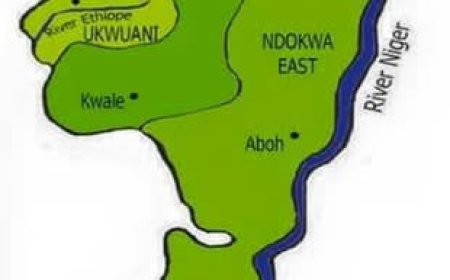
- Location: Ndokwa East Local Government Area, Delta State (Okpai community) ¹
- Capacity: Originally 480 MW (Phase 1), later expanded to about 980 MW (Phase 2)
- Owners: A joint venture of NNPC, Agip, ConocoPhillips and EniPower now Oando.
- Purpose: To feed the national grid, supplying power to the Federal Capital Territory, Anambra, Enugu and several other states
Despite its contribution to the grid, the plant’s host communities remain without electricity .
2. THE “STEP‑DOWN” DEMAND
The core demand of the Ndokwa youth and community groups is that the federal government “step down” a portion of the plant’s output (initially 50 MW, later raised to 100 MW) to the Ndokwa towns . They argue that it is unfair for a power plant on their land to light up other states while they live in darkness .
3. TIMELINE OF KEY EVENTS
Year Event
2005 Okpai IPP commissioned by President Olusegun Obasanjo; 50 MW promised to host communities but never delivered
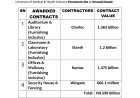
2021 Federal government awards N4.2 billion contract for a 132 kV double‑circuit transmission line to connect Ndokwa .
(Jun) “Light Up Ndokwa” protest blocks Asaba‑Kwale‑Ughelli road; youths demand step‑down ⁷
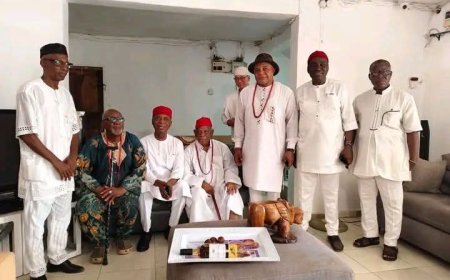
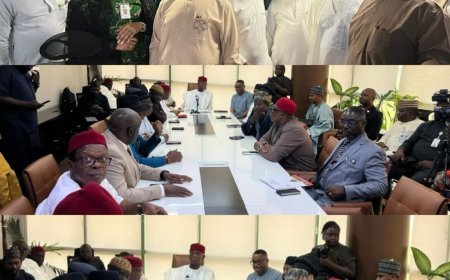
2025 (Nov‑Dec) Minister of Power, Chief Adebayo Adelabu, meets Ndokwa leaders; agrees to fast‑track Phase 1 connection using existing capacity
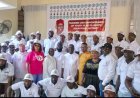
2025 (Dec 5) NNU and Minister of Power hold strategic meeting; promise to secure approvals before Q1 2026
2025 (Dec 6) Ongoing protests continue, with police and military deployed; no reports of major clashes
4. MAIN STAKEHOLDERS AND THEIR POSITIONS
- Ndokwa community / youth groups– Demand immediate step‑down of electricity; have organized “Light Up Ndokwa” protests and blocked major highways .
- Federal Government– Funds the project 100 % via a Letter of Credit but cites bureaucratic delays and pending approvals . Has promised to complete the sub‑station and transmission line by early 2026 .
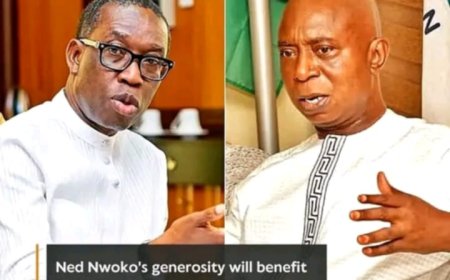
- Delta State Government – Governor Sheriff Oborevwori denies ever discussing the IPP with Nwoko, claiming the only meeting was about constituent appointments .The state says it has 27 ongoing projects in Ndokwa and is committed to the “MORE” development agenda .
- IPP Joint Venture Partners – Ready to supply power once the transmission infrastructure is in place; blame funding gaps for delays .
5. WHY THE DELAY?
Multiple factors are cited:
- Bureaucratic hurdles – Pending approvals for certain components of the sub‑station .
- Funding gaps– The N4.2 billion transmission line contract has been delayed for four years .
- Political disagreements– Dispute over whether the federal or state government should fund the step‑down, and whether a public‑private partnership (PPP) model should be used .
- Security incidents – Criminals have made a lot of areas out of the connection,by stealing and vandalism.
6. RECENT DEVELOPMENTS (as of Dec 6 2025)
- The Minister of Power has agreed to use existing megawatts from Phase 1 to start supplying Ndokwa while Phase 2 is completed .
- A strategic meeting between the Ndokwa Neku Union (NNU) and the Minister of Power resulted in a commitment to secure all outstanding approvals before the end of Q1 2026 .
Protests continue, but they remain largely peaceful; security forces have used tear‑gas only when the demonstrations turned violent .
7. WHAT’S AT STAKE?
For Ndokwa: Reliable electricity could spur industrial growth, create jobs, improve health services, and attract investors .
For the nation: The Okpai plant already supplies power to nine states; resolving the step‑down could ease the national load and showcase a model for community‑benefit projects .
In short, the Ndokwa IPP step‑down is a long‑standing grievance that has moved from promises to protests and is now entering a phase of high‑level negotiations. The federal government has pledged to act by early 2026, but bureaucratic and funding obstacles remain.
What's Your Reaction?