




















THE ART Of FORGIVENESS: FINDING PEACE IN AN IMPERFECT WORLD
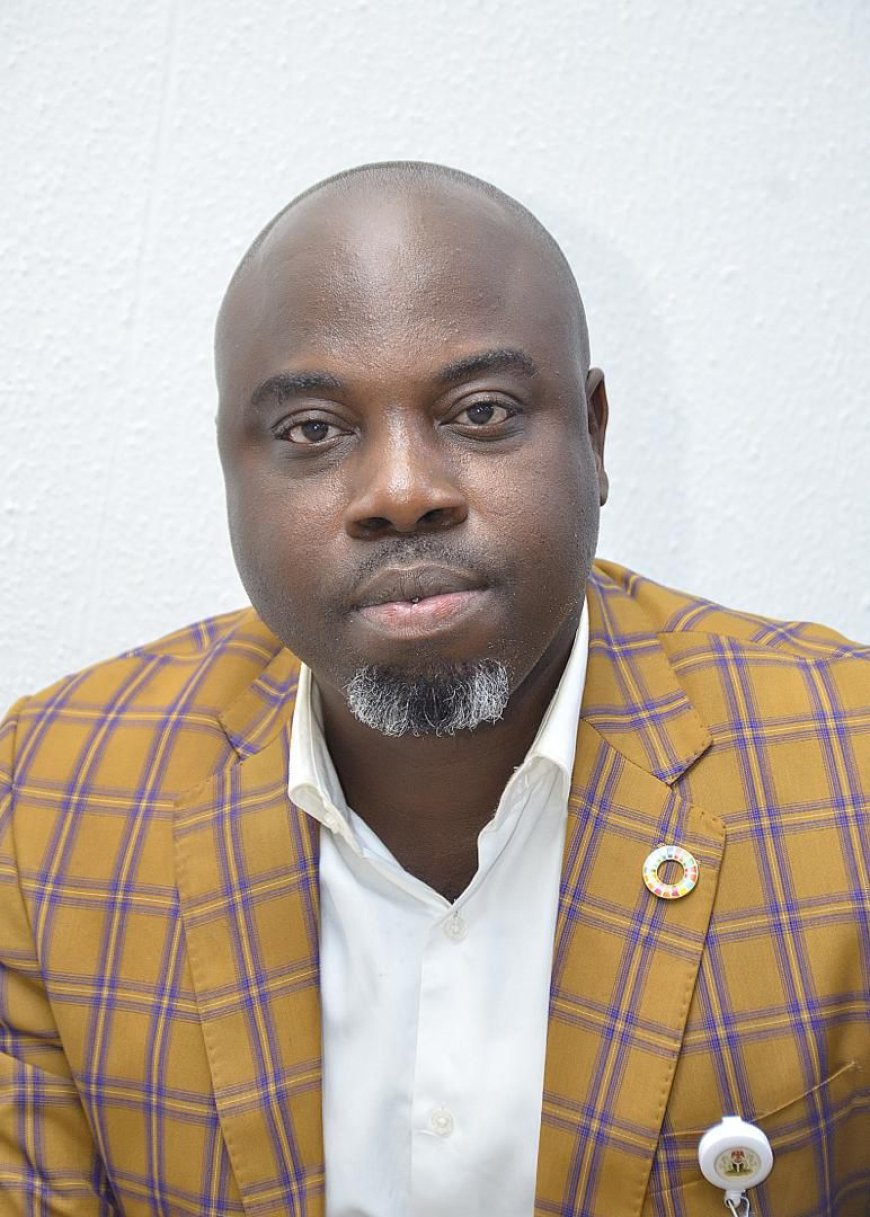
By Dr. John Mukoro, mni
In the intricate web of human relationships lies a profound truth: real strength often reveals itself in our ability to forgive, even when apologies remain unspoken. The journey toward emotional maturity teaches us that waiting for apologies from those incapable of offering them is like seeking water from an empty well—an act bound to leave us thirsty and unfulfilled.
Consider those who walk among us carrying invisible wounds—burdened by their own pain and emotional scars. They drift through life, emotionally incapacitated, unable to confront their wrongdoings or extend sincere remorse. Their emotional poverty isn’t always obvious, yet its impact ripples through their relationships, leaving echoes of hurt in its wake.
The ancient call to “love your neighbor as yourself” takes on new significance in this context. How can someone who despises or misunderstands themselves truly love another? Their capacity for empathy and emotional generosity is stifled by inner conflict. Expecting them to offer kindness or accountability is like asking someone with empty hands to share their riches—the resource simply isn’t there.
Our deepest suffering often arises from misplaced expectations. We burden ourselves with hopes of receiving what others are fundamentally unequipped to provide. When we seek emotional maturity from the emotionally immature or validation from those who can’t even validate themselves, we set ourselves up for disappointment and pain. This self-induced distress becomes a prison of unfulfilled desires.
Liberation comes not from receiving long-awaited apologies but from understanding and accepting this truth. Emotional strength is found in the ability to heal on our own terms. True maturity is recognizing that some people—due to their own limitations—may never offer the closure we seek.
Think of it: when we hold our breath waiting for recognition of the harm done to us, who truly suffers? Is it the person blissfully unaware of their impact, or is it us—caught in a cycle of anticipation for words that may never come? Emotional freedom is the art of ending chapters without waiting for perfect closure.
This does not mean we excuse harmful behavior or diminish its effect. Instead, we choose peace over waiting for validation that may never arrive. Real strength lies in our ability to close doors gently, even if they were slammed in our faces.
Forgiveness is not always a two-way transaction. Often, it is a gift we give ourselves—a declaration of freedom from the burden of waiting for what others cannot offer. It’s about reaching the point where we can say, “I release myself from the weight of unmet expectations.”
Emotional maturity, then, is less about what we receive from others and more about what we cultivate within ourselves. It’s the wisdom to recognize another’s limitations without letting them become our prison walls. True freedom comes from knowing we cannot control others’ capacity for growth or remorse, but we have absolute authority over our response to their shortcomings.
Holding onto expectations of apologies from the emotionally unavailable is like trying to squeeze water from a stone—it only exhausts the one trying. The real power lies in acceptance, in choosing to move forward unburdened by the weight of anticipated apologies.
This is the essence of emotional sovereignty: the understanding that our peace is not dependent on anyone else’s ability to acknowledge their wrongs. In this acceptance lies true strength, genuine maturity, and ultimately, lasting freedom.
https://ng.linkedin.com/in/dr-john-mukoro-41616a5a
What's Your Reaction?