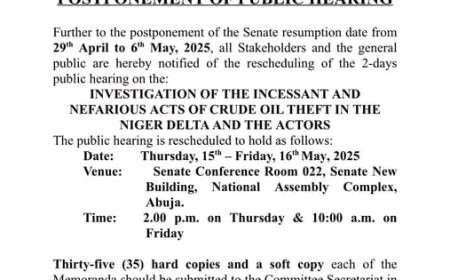


















THE NEED FOR FIDEL COLLABORATION BETWEEN NIGERIA’S SECURITY AGENCIES AND THE FEDERAL GOVERNMENT TO CURB INCESSANT CRUDE OIL THEFT
By Ally Isah
Senior Special Assistant on Oil and Gas Matters
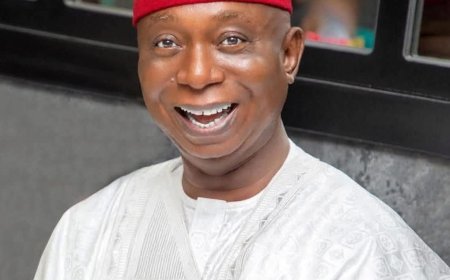
To Distinguished Senator Prince Ned Munir Nwoko.
The persistent issue of crude oil theft in Nigeria calls for a deliberate, transparent, and patriotic collaboration between the Nigerian security agencies—including the Army, Navy, Air Force, Police, Civil Defence, and Customs—and the Federal Government. These agencies must urgently develop and implement credible strategies devoid of the unpatriotic perceptions that have long weakened the effectiveness of Nigeria’s security architecture in tackling oil theft.
Despite the Federal Government spending over $1.5 billion between 2020 and now to protect oil installations and combat crude oil theft, Nigeria continues to face enormous challenges in safeguarding its vital petroleum infrastructure. The gravity of this national crisis is further underscored by the $46 billion worth of crude oil lost between 2009 and 2020, as declared by the Nigerian Extractive Industries Transparency Initiative (NEITI).
This economic hemorrhage must not be allowed to continue. Nigeria cannot afford to remain trapped in a cycle of economic sabotage inflicted by unpatriotic elements. The solution lies in fostering a patriotic, coordinated, and action-oriented synergy between the security agencies and the Federal Government. For context, in just seven months of 2014 alone, Nigeria lost $10 billion to crude oil theft—an irreplaceable loss by any standard.
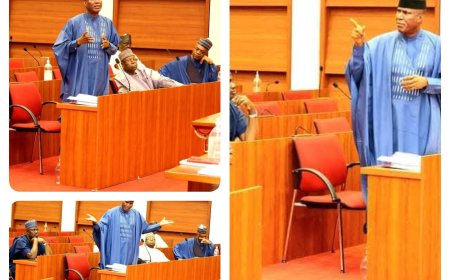
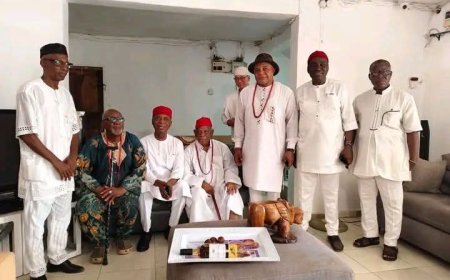
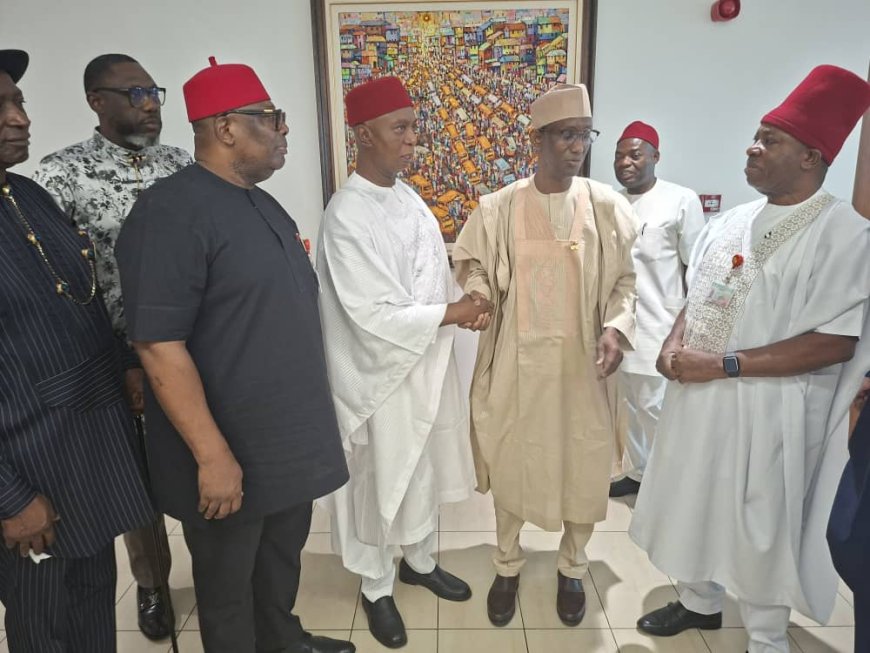
Recognizing the urgency of this national challenge, the Chairman of the Senate Ad-Hoc Committee on Incessant Crude Oil Theft, Distinguished Senator Prince Ned Munir Nwoko, alongside his committee members, has visited all relevant security agencies to seek their support and patriotic collaboration in the national fight against oil theft.
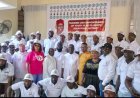
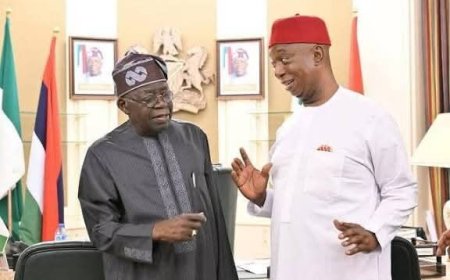
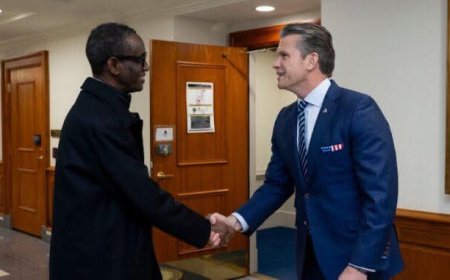
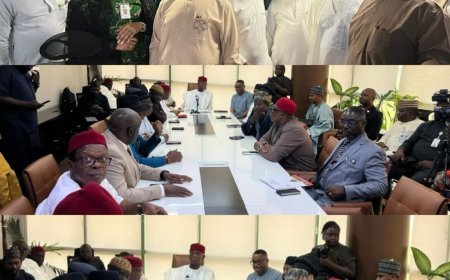
On 28th May 2025, Senator Nwoko led a high-level delegation to the National Security Adviser (NSA), Mr. Nuhu Ribadu, to establish in-depth collaboration between the ad-hoc committee and the Office of the NSA. The meeting was educative, inspiring, and transformative—offering new insights into how Nigeria’s security architecture can be realigned for greater efficiency.
This mission must now assume a new momentum—geared towards the protection of pipeline infrastructure, securing oil facilities, and boosting crude production to meet Nigeria’s OPEC quota. It is time to move from diagnosing the problem to implementing the solutions.
STRATEGIC RECOMMENDATIONS:
—Deployment of High-Tech Surveillance Equipment: As practiced in Mexico, Saudi Arabia, and the United States, Nigeria must adopt advanced technological surveillance systems to monitor pipelines and oil assets effectively.
—Adoption of Saudi Arabia’s CSR Model: Partnering with host communities through Corporate Social Responsibility (CSR) can enhance local support and reduce sabotage. Building trust and mutual benefits is key.
—Restructuring the Security Architecture: A complete overhaul is necessary to remove compromised elements and instill a disciplined, professional, and accountable security framework that is resistant to collusion.
—Strengthening Regulatory Oversight: Agencies such as the Nigerian Upstream Petroleum Regulatory Commission (NUPRC) must enforce transparency and ensure honest dealings between the NNPCL, IOCs, and NOCs—particularly in metering systems and CSR implementation.
—Restoring Integrity to the Sector: Honesty must become non-negotiable. As long as criminal ideologies and a get-rich-quick mentality dominate the oil industry, Nigeria will never meet its production targets or international expectations.
—Zero Tolerance for Complicity: Security agencies and regulators must enforce strict accountability. Any personnel—whether stakeholders or staff—found aiding or abetting oil theft must face firm disciplinary action.
—Knowledge-Driven Policy Development: The ad-hoc committee must continue to seek knowledge. Study visits to countries like Saudi Arabia and the United States to learn from their models will offer valuable insights. These experiences can then inform democratic legislative recommendations that provide legacy solutions tailored to Nigeria’s unique context.
What's Your Reaction?