



















THE HIDDEN DARKNESS: THE EFFECTS OF 16 YEARS WITHOUT ELECTRICITY IN NDOKWA NATION
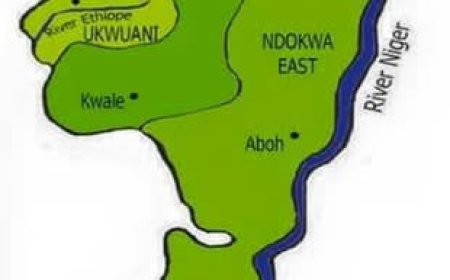
Ndokwa Nation in Delta State, Nigeria, is crying out — not for luxury, but for a basic necessity: electricity.
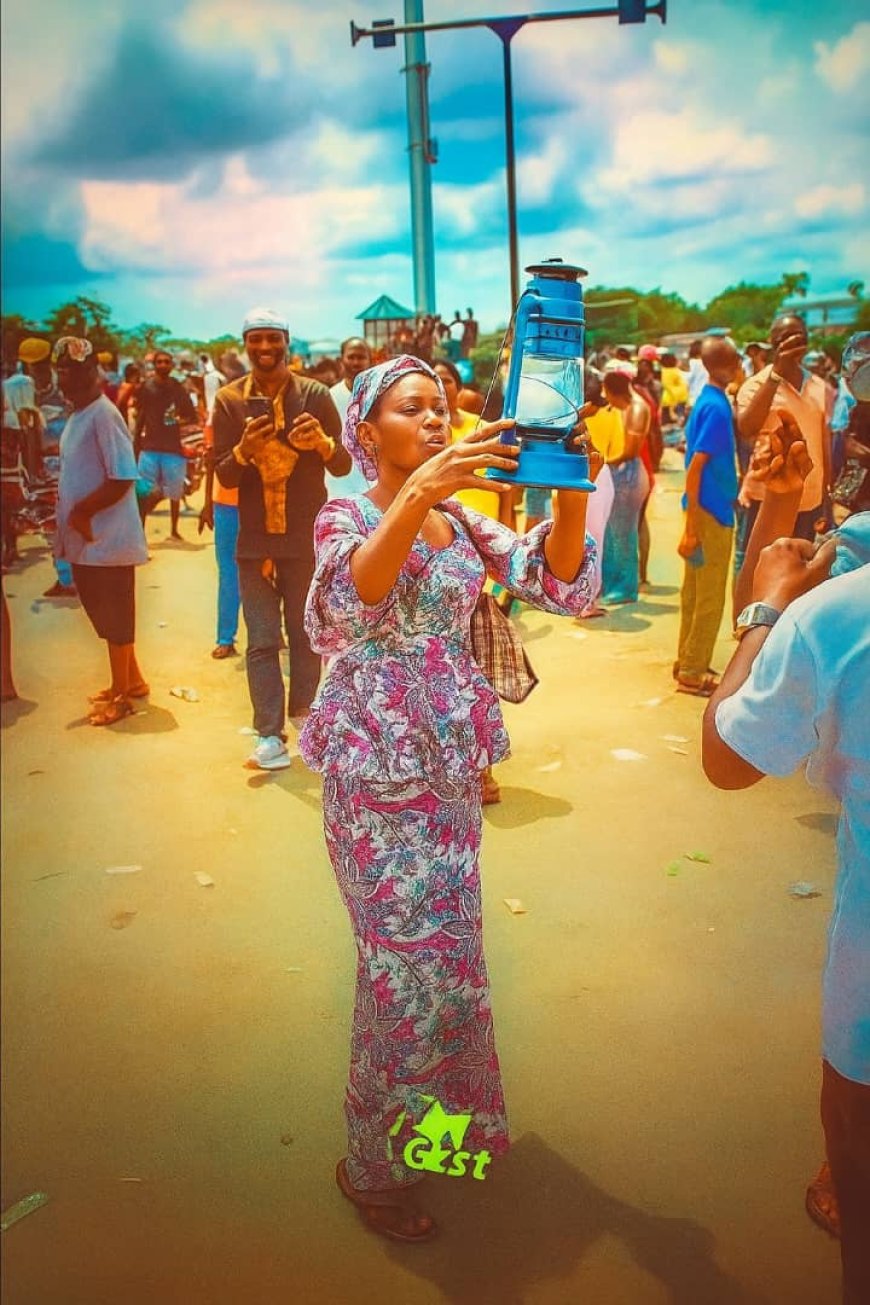
For over 16 years, this oil-rich region has been left in darkness, surrounded ironically by more than eight oil companies operating and thriving within its boundaries. The people, however, are still using kerosene lanterns in a country advancing into solar energy and smart technologies. The absence of electricity in Ndokwa has gone beyond inconvenience — it is a national shame and a serious blow to the development of its people.
1. Youth and Dreams in the Dark
The lack of electricity has deeply damaged the hopes and futures of Ndokwa youth. In a time when digital skills, online businesses, and technology are creating global opportunities, Ndokwa's young people are trapped in a cycle of frustration and underachievement. Many cannot:
Learn digital skills
Attend online classes
Operate tech devices for research
Charge phones for communication or job applications
This digital disconnect increases the rate of unemployment, crime, and migration. With nothing to keep them engaged or hopeful, some youths resort to cultism, drug abuse, and violence, further hurting the social fabric of the community.
2. Economic Paralysis
No electricity means small businesses suffer or collapse entirely. Welders, barbers, hairdressers, tailors, phone repairers, and cold-room owners either rely on expensive fuel or shut down. This severely limits job creation and economic independence.
Women selling frozen goods like fish or drinks can’t keep their products fresh. The cost of fuel for generators eats deep into any potential profits. A local economy without power is a dying economy.
3. Healthcare Crisis
Modern healthcare depends on power. In Ndokwa:
Vaccines go bad without proper refrigeration.
Medical tools cannot be sterilized effectively.
Deliveries at night happen in torchlight or with kerosene lanterns.
This compromises the lives of mothers, babies, and the sick. It’s not just poor healthcare; it’s life-threatening neglect.
4. Education in Darkness
Students study with lanterns or candles. Many public schools cannot power a single fan or printer. No access to educational videos, no computer training — Ndokwa students are years behind their counterparts in cities like Lagos or Abuja.
This is not just educational failure, it is intellectual sabotage.
5. Social and Psychological Toll
Living in darkness for 16 years affects more than the body — it affects the mind. Depression, hopelessness, and frustration are now common feelings in the community. There's a constant reminder that they are forgotten, despite being hosts to oil wealth that feeds the nation.
6. Cultural and Religious Disruption
Church programs, community meetings, cultural festivals — all struggle without power. Sound systems, lighting, and other media tools cannot be used unless fueled by expensive generators. The spiritual and communal life of the people suffers in silence.
7. Environmental and Safety Risks
Use of kerosene lamps increases the risk of fire outbreaks and respiratory issues. Many households, especially children, inhale smoke daily. Women and children risk their safety traveling long distances just to charge a phone or find lit areas at night.
A Call to Action
The world must hear the cry of Ndokwa Nation. This is not a lazy community — they are resourceful, hardworking, and peace-loving. But 16 years without electricity in the heart of Nigeria’s oil belt is economic sabotage, environmental injustice, and human rights abuse.
It’s time for:
Federal and state government intervention
Oil companies to fulfill their corporate social responsibilities
Civil society and media to amplify their voices
Every Nigerian to rise in solidarity
Ndokwa Nation deserves light.
Ndokwa Nation deserves justice.
Ndokwa Nation deserves to rise from the shadows.
#LightUpNdokwa
#JusticeForNdokwa
#OilWithoutLightIsOppression
What's Your Reaction?