





















CHRISTMAS RICE AND THE POLITICS OF HUNGER IN NIGERIA
By COMR. IGELIGE CHUKUNOMNAZU 31st December 2025
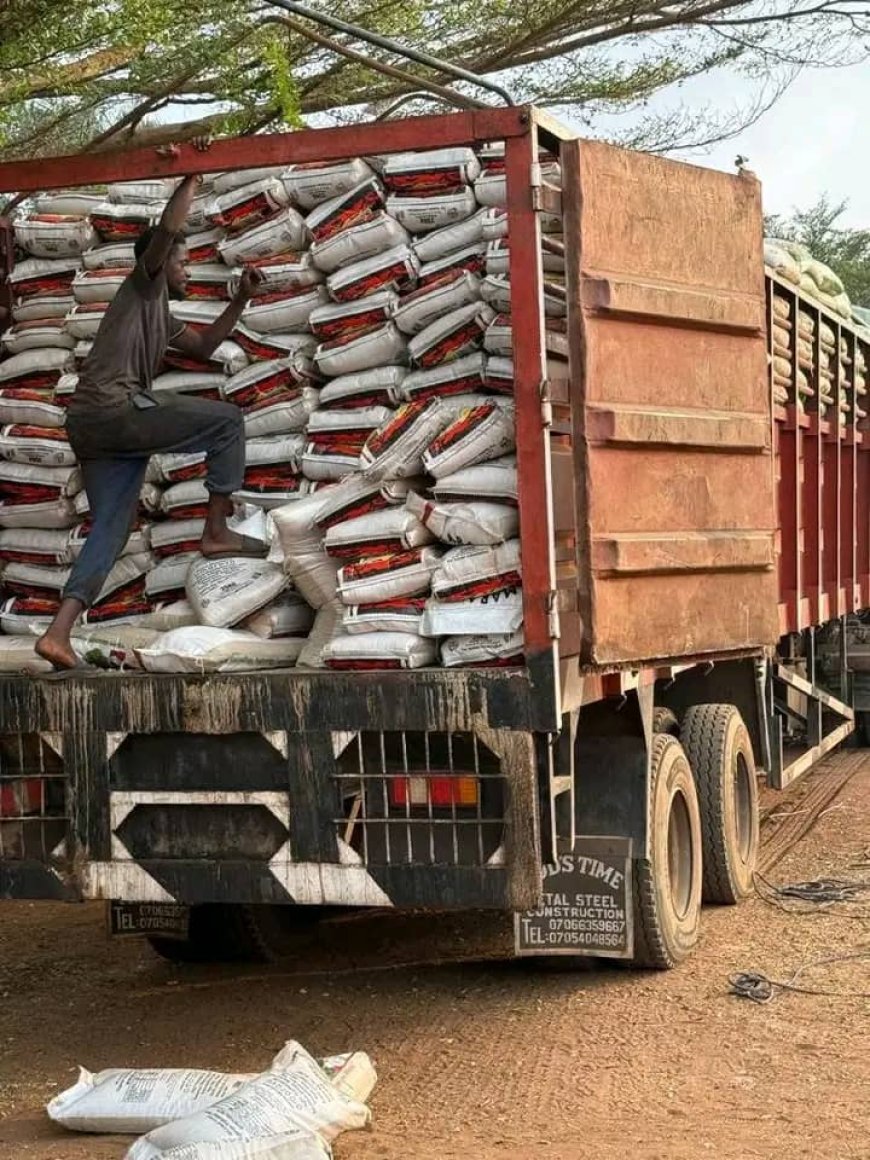
Every Christmas season in Nigeria, particularly those that precede an election year, a familiar political pattern re-emerges. Politicians distribute bags of rice, cartons of food items, and household provisions to communities, presenting these gestures as evidence of responsive and compassionate leadership. For many citizens facing genuine hardship, such assistance offers temporary relief. However, it is important to look beyond the season and examine the deeper structural issues this practice conceals.
Nigeria is not a poor country. It is a country rich in human capital; natural resources, and entrepreneurial energy. Yet millions of Nigerians remain unemployed, underemployed, and unable to meet basic needs. This reality is not caused by a lack of charit but by years of policy failures, weak institutions, and limited investment in productive sectors of the economy.
While food distribution during festive periods may ease hunger for a few days, it does not address the root causes of poverty. More concerning is that this seasonal generosity often replaces long-term solutions and instead of sustained job creation, youth empowerment, industrial support, social safety systems; citizens are offered temporary relief that disappears as soon as the festivities end.
In election cycles, this pattern becomes even more pronounced as hunger, unfortunately, becomes a political currency. A population struggling to survive daily is more vulnerable to inducement and less able to demand accountability. This dynamic undermines democratic choice and weakens civic participation, as citizens are pressured by circumstance rather than conviction, they are made to accept short-term benefits in place of long-term governance.
As Nigeria approaches another critical political season in 2027, it is worth asking whether we can do better.
A MOVE FROM CHARITY TO GOVERNANCE:
There are practical, dignified alternatives that reflect genuine leadership. First, institutional food security systems must replace ad hoc food distribution. Functional food banks, which managed transparently in collaboration with communities, faith-based organisations, and civil society, would ensure that vulnerable Nigerians are supported consistently not only during festive periods. Secondly, job creation must take priority over handouts because when young people are employed, they do not only feed themselves; they support families, reduce dependency, and contribute to national productivity. Public works programmes, agro-processing initiatives, digital skills development, and support for small and medium enterprises can transform livelihoods sustainably.
Thirdly, local economic empowerment should be strengthened. Farmers, artisans, traders, and cooperatives need access to affordable credit, infrastructure, and markets. A thriving local economy reduces hunger far more effectively than periodic food donations. Fourthly, social protection programmes should be institutional, data-driven, and insulated from partisan politics. Welfare should be a right of citizenship, not a campaign strategy.
Finally, civic education is essential, and Nigerians must be encouraged to distinguish between personal generosity and public responsibility. Leadership is not measured by seasonal gifts but by policies that improve lives consistently.
A CALL FOR CONSCIOUS CITIZENSHIP:
Accepting help in times of need is not a moral failure because poverty is not a personal choice. However, allowing temporary relief to replace accountability is a collective risk. As citizens, we must appreciate gestures of goodwill without surrendering our right to demand competence, vision, and integrity from those who seek public office. Democracy functions best when choices are made freely, not under economic distress.
Nigeria’s future cannot be secured through festive charity alone. It requires deliberate governance, inclusive economic planning, and leaders who see citizens not as seasonal beneficiaries but as partners in national development.
A nation can not be fed into prosperity. It must be governed into it.
What's Your Reaction?