

















AMID ANIOMA STATE MOMENTUM, SENATOR NED NWOKO’S PUSH FOR LOCAL GOVERNMENT AUTONOMY QUIETLY GAINS GROUND AT ZONAL HEARING
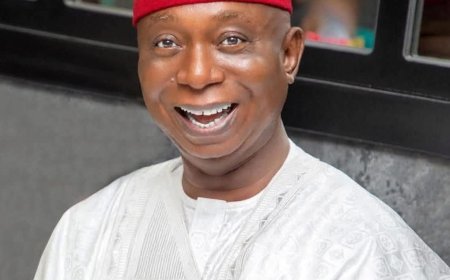
While much of the spotlight has rightly been on the resounding success of the Anioma State creation bill, championed by Senator Ned Munir Nwoko of Delta North, another equally consequential issue is quietly gaining traction under his legislative leadership. The drive for full local government autonomy.
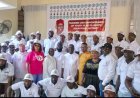
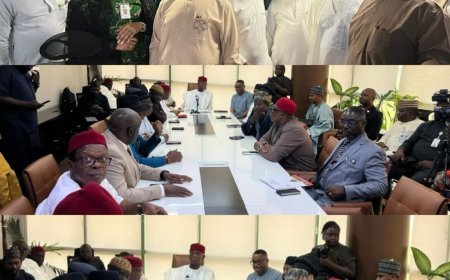
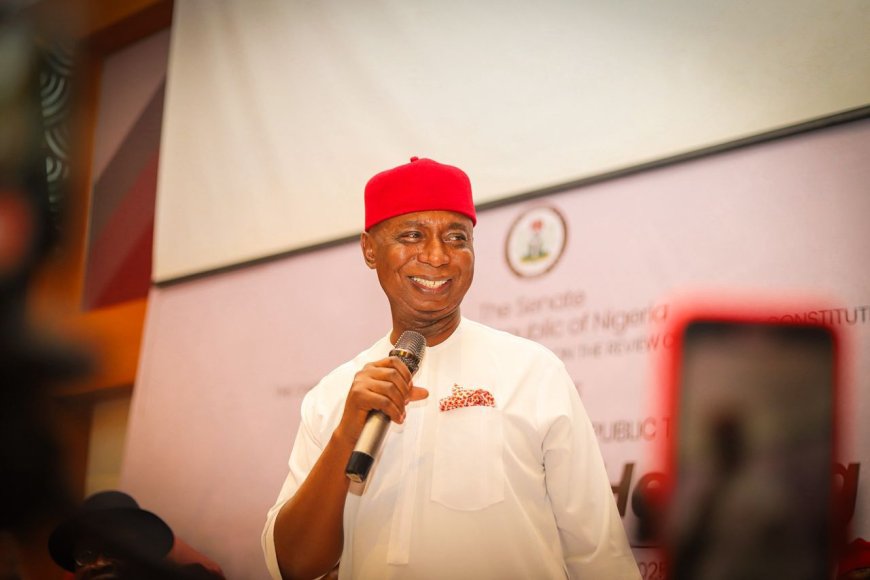
As the Senator representing Delta State on the Senate Constitution Review Committee, Senator Ned Nwoko has brought his trademark clarity and constitutional insight to one of the most enduring governance debates in Nigeria’s democratic history. At the recently concluded South-South Zonal Public Hearing on constitutional amendments held in Ikot Ekpene, Akwa Ibom State, Senator Nwoko submitting a compelling position paper in support of the consolidated bill for local government autonomy.
Though submitted at different times, other sponsors include Senators Abba Moro, Barau Jibrin, Enyinnaya Abaribe, and Rufai Hanga. The proposed constitutional amendment has now been harmonized, gaining a broad based legislative consensus on the urgent need to reposition Nigeria’s third tier of government.
At the earlier Senate Constitution Review Retreat held in Kano, which was attended only by specially selected Senators representing their respective states, Senator Ned Nwoko had presented the local government autonomy bill as part of Delta State’s official legislative priorities. The Ikot Ekpene public hearing, however, offered a platform for broader civic engagement, where the public, stakeholders, and advocacy groups could voice support or concerns.
In his position paper, Senator Ned Nwoko stated, “Nigeria cannot claim to be a true federation when its third tier of government remains structurally dependent and functionally stifled. The conversation around local government autonomy is neither new nor theoretical. It goes to the heart of equitable governance, grassroots development, and the credibility of our democracy.”
The bill seeks to amend Sections 7 and 162 of the 1999 Constitution (as amended), while expanding the Fourth Schedule. According to Nwoko, these reforms are long overdue.
Section 7, as proposed, would not only reaffirm the democratic foundation of local government councils but also protect them from executive manipulation by state governors. Equally important is the proposed reform to Section 162, which would abolish the controversial State Joint Local Government Account. Long seen as a tool for financial manipulation, the current structure has made local councils financially handicapped and institutionally weak. The new provision mandates direct allocations to local government councils from the Federation Account and requires each state to create a Local Government Allocation Account governed by national guidelines.
In his words: “With fiscal and legal independence, councils will have the legitimacy and capacity to lead at the grassroots. They will be better positioned to repair rural roads, run efficient primary healthcare systems, support local farmers, generate employment, and implement programs that reflect the priorities of their people.”
Beyond the financial structure, the proposal also modernizes the constitutional role of local councils. The expanded Fourth Schedule will now include responsibilities such as healthcare, education, environmental management, economic planning, housing, and social welfare, areas previously overlooked but urgently needed in today’s communities.
According to Senator Ned Nwoko, “These amendments will empower local governments to deliver tangible results. From fixing rural roads and supporting farmers, to managing primary healthcare and providing basic services that citizens can see and feel.
“We are not asking the National Assembly to reinvent the wheel. We are asking it to complete an unfinished constitutional task”, he added.
What's Your Reaction?